
Where Midjourney Fits in an AI Video Pipeline in 2026
 by: Rourke Sefton-MinnsPublished on: 28/09/2026
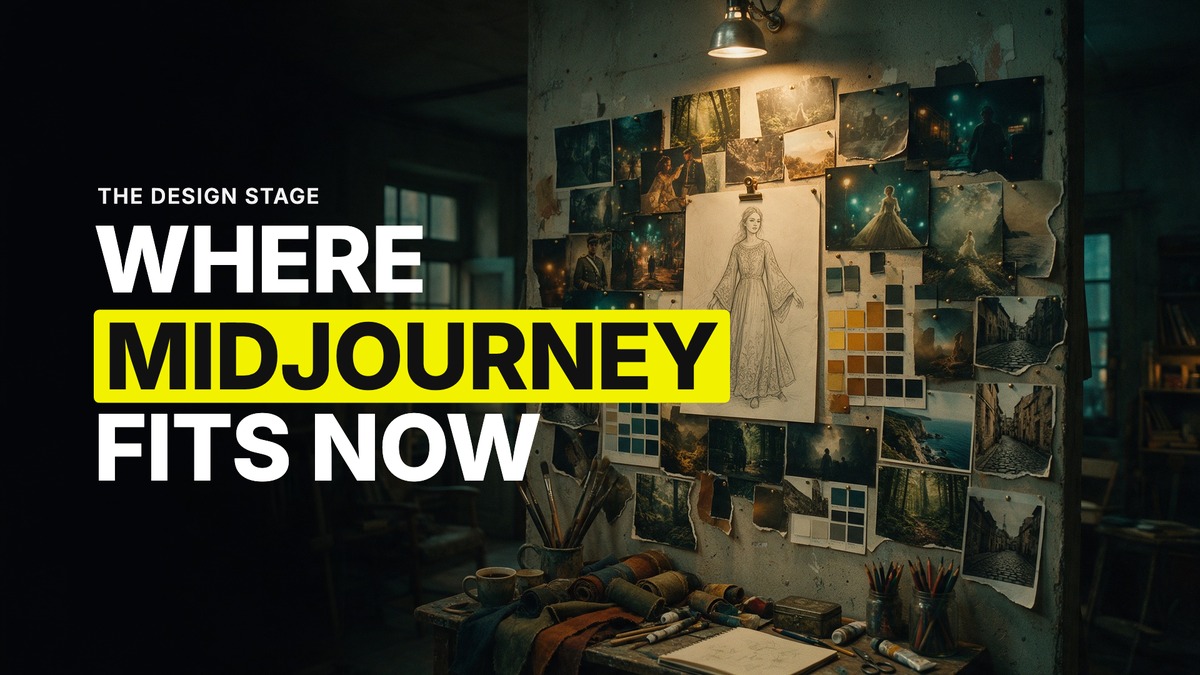
Midjourney is the design stage, not the sheet stage. What to do there, and what to hand to GPT Image 2 and Seedance 2.5, as of September 2026.
All guides
Every guide on the GenHQ blog, grouped by topic.
Seedance and AI video
- The Complete Seedance 2.5 Guide: Cinematic AI Video Step by Step
The full Seedance 2.5 workflow from idea to finished cut: script like a director, build character and location references, then generate. By the founder of GenHQ.
- Seedance 2.5 vs Kling 3.0: Which AI Video Model to Use in 2026
Seedance 2.5 or Kling 3.0 in 2026? Where each wins, what 2.5 changed, and what our team actually runs client work on, with the cost reality attached.
- Where to Run Seedance 2.5: Platforms, Cost and Content Restrictions (2026)
Higgsfield, Dreamina, Artcraft, fal.ai, Kie.ai and Enhancor compared by the job: testing, client finals, your own face, and anything that trips a filter.
- Seedance 2.5 Draft Mode: Preview AI Video Shots Before You Pay
What Draft (Higgsfield) and Preview (Dreamina) do in Seedance 2.5, what they cost against a 480p render, and why they check timing and blocking, not the final look.
- Do You Still Need to Upscale AI Video in 2026?
Mostly no. Native 1080p changed the answer. The exceptions, the one upscaler still worth using, and the 480p test, 720p social, 1080p client workflow.
- Storyboards or Shot Lists? How We Plan Seedance 2.5 Shoots Now
We retired storyboards as a Seedance 2.5 reference in August. What replaced them, why, and who should still draw a board.
- The Blender Method: Real Camera Control for AI Video
How the Blender method gives Seedance 2.5 a real camera path, when the setup earns its time, and why grey blocks usually do the job.
- Why 30-Second AI Generations Beat Stitched 5-Second Clips
Why one 30-second Seedance 2.5 generation keeps characters, light and pacing together better than stitched clips, and how to plan a shot to end on a natural cut.
- Can You Take 480p AI Video to 1080p Without It Changing?
Why upscalers smear AI footage, and the method that works: use your 480p clip as a video reference and regenerate at 1080p. Includes what to check afterwards.
- Why Your AI Video Got Blocked, and How to Find the Cause in Two Tests
AI video flagged or blocked? Run the references alone, then the prompt alone, both at 480p, to find the cause cheaply, plus the words and images that usually trip filters.
Keeping characters, places and products consistent
- How to Keep AI Characters Consistent Across Every Shot (September 2026 Method)
The current method for consistent AI characters, products and locations: sheets, a locked look, and references fed into Seedance 2.5 as ingredients. Plus voice consistency. By the founder of GenHQ.
- How to Keep a Location Consistent Across Every Shot in AI Video
Outdoor, indoor, invented and real places each need a different move to stay consistent shot to shot in Seedance 2.5. Here are all four.
- How to Keep an AI Character's Voice Consistent in Seedance 2.5
Three routes to a consistent character voice in Seedance 2.5, why ElevenLabs got demoted, and when to relip a real recording instead.
- Crowds and Multiple Characters in AI Video: Why They Break and How to Direct Them
Crowds turn to mush and characters swap seats. The two failure modes in AI video and the directing moves that fix each one.
- Product Consistency and Scale in AI Images and Video (E-commerce Edition)
Products drift in size, label and shape across AI generations. The reference discipline that stops each drift, for e-commerce work in 2026.
- Why Your AI Characters Look Plastic (and What Actually Fixes It)
Plastic AI faces usually start in the reference, not the model. How to diagnose where it came from and the fixes that actually work in 2026.
Making AI video look real
- How to Make AI Video That Looks Real: The Method We Use (2026)
How to make AI video that looks real: start from a photograph, name the lens and film stock, build angles from a hero image, fix the voice and add imperfections.
- Client Says Your Work Looks AI-ish? Here Is How to Fix It
What clients mean when they say your AI work looks AI-ish, and five fixes: shot sizes, reaction shots, sound, camera movement and the voice.
- Why AI Footage Feels Cheap: Sound Gives It Away First
Generic whooshes, repeated effects and music the model adds by itself make AI footage feel cheap. How to strip the sound, rebuild it, and brief it from a reference ad.
- Does AI Video Need Camera Shake? Why Steady Shots Read as AI
Why perfectly steady AI shots look artificial, how much camera shake to add in the edit, why not to prompt for it, and which shots should stay still.
- How to Get Real Emotion From AI Actors (Close-Ups and Reactions)
How to get believable emotion from AI actors: frame the face in close-ups, describe it precisely instead of naming a feeling, and cut to a reaction shot.
- How to Recreate a Viral Scene With Your Own Character
Recreate a viral scene with your own character using motion transfer in Seedance 2.5, a grey Blender rebuild, and a clear line between inspiration and copying.
Series, music videos and AI actors
- How to Make an AI Micro-Drama: A Vertical Series Step by Step
How a vertical AI micro-drama gets made: write the season and cliffhangers first, lock characters and voices, generate by scene, edit for phones and post often.
- How to Make an AI Music Video From Start to Finish
Make an AI music video from start to finish: pick the track, one visual idea, a shot list by song section, consistent characters, beat edits and Suno licensing.
- AI Lip Sync in Hebrew, Bulgarian and Other Small Languages
How to get lip sync in languages video models handle poorly: make the audio first, try a mouth-only reference, or use a native voice artist. Where sync.so fits.
- How to Turn an AI Series on Instagram Into Brand Deals
Your AI series is growing on Instagram. Here is the order that leads to brand deals: audience first, a case study next, then brands. Case study steps included.
- Will AI Actors Replace Real Actors? The 2026 SAG-AFTRA Rules Explained
What the 2026 SAG-AFTRA TV and theatrical contract and the 2025 commercials contract say about AI actors, and what it means for brands and AI creatives.
AI image models
- Which AI Image Model to Use for What (September 2026)
A job-by-job guide to GPT Image 2, Seedream 5, Midjourney, Grok Imagine and Nano Banana Pro as of September 2026: faces, sheets, text, editing and hero shots.
- Why GPT Image 2 Wins on Text and Packaging (and Where It Falls Apart)
GPT Image 2 is the best image model for small text and packaging. Here is the side by side, where it fails, and how to brief it so the text comes out right.
- Is Nano Banana Pro Still Worth Using in September 2026?
Nano Banana Pro fell out of my daily workflow in August. What it is still good for and what replaced it, as of September 2026.
- How to Use Nano Banana Inside Photoshop (Full Setup and Workflow)
Run Nano Banana inside Photoshop for pixel exact edits: the full plugin setup, the Replicate API step, costs, and where it fits in a real project. By the founder of GenHQ.
- Where Midjourney Fits in an AI Video Pipeline in 2026
Midjourney is the design stage, not the sheet stage. What to do there, and what to hand to GPT Image 2 and Seedance 2.5, as of September 2026.
AI agents and pro software
- Claude Opus 5.5 or ChatGPT Astra 6 for Creative Work? (Oct 2026)
Astra 6 is quick and inventive, Opus 5.5 is slower but needed fewer retries and less usage in our Blender test. How each does in After Effects, Resolve, Blender and writing.
- ChatGPT Astra 6 for Creatives: What It Does and Whether It Is Worth $100
What ChatGPT Astra 6 actually does for creatives, After Effects, DaVinci and Blender, what it costs, the hardware it needs, and who should pay for it now.
- Can AI Do Real Photoshop and InDesign Work Now? What It Costs
ChatGPT Astra 6 can drive Photoshop and InDesign. One hard retouch took 14 hours and about $250 in usage. What it handles, where it falls apart and who it suits.
- Can AI Colour Grade in DaVinci Resolve? What Works and What Crashes
ChatGPT Astra 6 can build node trees and track a face in DaVinci Resolve. A grade takes 30 to 60 minutes and Resolve crashes, so here is when it is worth it.
- How to Make Motion Graphics in After Effects With ChatGPT
ChatGPT Astra 6 can drive After Effects and hand back a real project with every layer editable. What it is good at, what a job costs in usage, and where you finish by hand.
- How to Automate AI Ad Creation With Claude (A Self-Improving System)
The exact Claude Code and Higgsfield CLI system that batch generates AI ads from your own characters, products and environments, and learns from your feedback. By the founder of GenHQ.
Making ads, lookbooks and client work
- How to Make Realistic AI UGC Ads (Without the Plastic AI Look)
Why most AI UGC ads still look fake, and the Seedance 2.5 reference workflow working creators use now. By the founder of GenHQ.
- What an AI Ad Actually Costs to Make in 2026
Real numbers from client ads in 2026: generations, images, test passes and finals, where the money leaks, and how to price it into the job.
- How to Deliver an AI Project a Client Will Pay For (Pre-Production First)
The pre-production system behind professional AI commercials and films: cast the character, scout the location, lock the lighting, then put them together. By the founder of GenHQ.
- How to Make an AI Lookbook for a Fashion Brand
What a fashion lookbook needs from AI, one model, one garment set, one light, consistent across every look, and the reference discipline that delivers it.
- How to Make Real Estate Videos With AI (Without Changing the House)
AI property tours that agencies will actually pay for: the one rule that keeps them honest, lip sync and sound, the renovation angle, and what to deliver.
- Do You Have to Label AI Video? YouTube, TikTok and Meta Rules in 2026
What YouTube, TikTok and Meta each require when you post or advertise with AI video, what the automatic labels do, and whether labelling hurts reach or monetisation.
- How to Make an AI Holiday Ad That Does Not Get Pulled
What went wrong with the Coca-Cola and McDonald's AI Christmas ads, and how to make a holiday ad with AI that people watch: story, few faces, one idea, real sound.
- Why People Hate Some AI Ads, and What the Good Ones Do Differently
Why some AI ads get torn apart online, using the Coca-Cola and McDonald's examples, and what the good ones do: a real story, one message, benefits and directed shots.
- Can You Use AI Video in Paid Ads? Commercial Use, Copyright and Music in 2026
Can you use AI video in paid ads? What the US Copyright Office says about ownership, where commercial rights come from, and the rules for references and music.
- How to Make an AI Product Video for an Amazon Listing
How to make an AI product video for an Amazon listing: lead with the buyer's benefit, use a natural voiceover and keep the product identical in every shot.
- How to Turn 3D Architectural Renders Into a Realistic AI Walkthrough
Turn a flat 3D architectural render into a realistic AI walkthrough: strip it to grey blocks, rebuild the look as stills, then let Seedance 2.5 add the light.
Getting clients and getting paid
- How to Get Your First AI Client (What Actually Works)
How AI creatives actually land their first client: spec ads done right, behind the scenes content, LinkedIn outreach that converts, and what not to do. By the founder of GenHQ.
- How AI Creatives Are Actually Landing Clients Right Now (Real Examples)
Real examples of where AI creatives' paying clients came from in 2026: a viral reel, a fashion brand that found the work first, a spec post, a conversation in a room. The pattern and what to do this week.
- How to Price AI Creative Work (Without Guessing)
What to charge for AI creative work: the three pillars that set your price, first project ranges, day rates, and why hourly billing is the wrong model. By the founder of GenHQ.
- What AI Creatives Actually Earn: Real Numbers From 551 Documented Wins
What AI creative work actually pays, taken from 551 documented member wins: first project ranges, single deal sizes, retainers and per unit rates. By the founder of GenHQ.
- From a $500 Video to a $200K Year: What AI Ad Work Actually Pays
The real pricing ladder of one GenHQ member: a first $500 video, a €40,000 contract, and how he prices AI ad work now. By the founder of GenHQ.
- Hire Help or Do It Yourself? How Solo AI Creatives Grow Without Losing the Brand
When a solo AI creative should hire help: hand off delivery, keep the brand-building yourself, because the brand is what brings work in. Includes what to hand off first.
- How Small AI Creators Get Free Credits and Brand Partnerships
Creators with 2,000 to 5,000 followers can get partnership deals from AI tools. What decides it, what to ask for and what the deals usually pay.
- How to Hire an AI Creative for Your Next Project
What brands and agencies should look for when hiring an AI creative: portfolio checks, process questions, budget, rights and where to find people.
- How to Break Into AI Filmmaking (Advice From Google's Resident Filmmaker)
Henry Daubrez went from a design studio to Google's first resident filmmaker on the back of one finished AI film. His career advice, working process and how to stand out. By the founder of GenHQ.
- AI Ads or AI Film: Which Pays First?
Should you start with AI ads or AI film? Why ads pay first, what a short film costs you, and how to run both without losing the paid work. Includes the $500 floor.
- What Gets an AI Spec Ad Noticed by a Brand
What makes a brand notice an AI spec ad: one clear message, benefits over specs, a small story and production quality that matches the brand.
Choosing a community
- How to Choose A Creative AI Community (Before You Pay for One)
The 7 things that separate a real AI creative community from a Discord with a logo, plus 10 questions to ask before you pay. By the founder of GenHQ.
- Best AI Filmmaking Community in 2026: 4 Things to Check Before You Pay
What separates a real AI filmmaking community from a Discord with a logo, how GenHQ is set up as of September 2026, and who it is not the right fit for.
- Best Community for AI Ads and Commercials in 2026: 5 Steps, Real Costs and Where to Learn
Where to learn AI ads and commercials properly in 2026: what the work involves, what a finished ad costs to make, and how GenHQ teaches it.
- GenHQ Review: What Is Inside, What It Costs and Who It Is Not For
An honest GenHQ review from the inside: the classroom, the weekly schedule, the feedback, the price, and the reasons some people should not join. September 2026.
- AI Filmmaking Communities Compared: How to Pick the Right One (2026)
An honest 2026 comparison of AI filmmaking communities and courses, by what you actually need from each one.
No guides match that search.
Copyright ©2026 • GenHQ • join.genhq.io